
There is a sentence I hear often when talking with friends:
“I don't know how to do that.”
In the past, that sentence felt natural. If you did not know something, it was normal that you could not do it. To learn, you had to buy a book, take a class, or find someone who already knew. Access to information was a barrier by itself.
Things are a little different now.
If I do not know something, I can open ChatGPT and ask. If I do not even know what I do not know, I can ask, “Tell me what I need to learn first.” If a concept is difficult, I can ask for a simpler explanation and then ask for examples. If code throws an error, I can paste the error message and ask why it happened.
AI does not always give correct answers. That is exactly why another ability has become more important: asking, checking, and asking again.
I do not think the gap in the AI era is simply between people who know and people who do not. It is increasingly between people who ask questions when they are uncertain and people who stop because they are uncertain.
I once wrote My Programming Journey on this blog, tracing the path from taking apart hardware as a child to becoming interested in web development and AI. Looking back at that path, I want to write about one habit I have repeated:
Instead of stopping when I do not know, I ask, search, and try something small.
I Did Not Start by Knowing Everything
I did not begin because I already understood what I was doing.
As a child, I was more interested in electronics and hardware than in code. I used a Galaxy S2 that my brother had owned and a Galaxy Note 3 that my mother had used. I installed TWRP, looked for custom ROMs on XDA, and experimented with rooting and overclocking while I was still in elementary school.
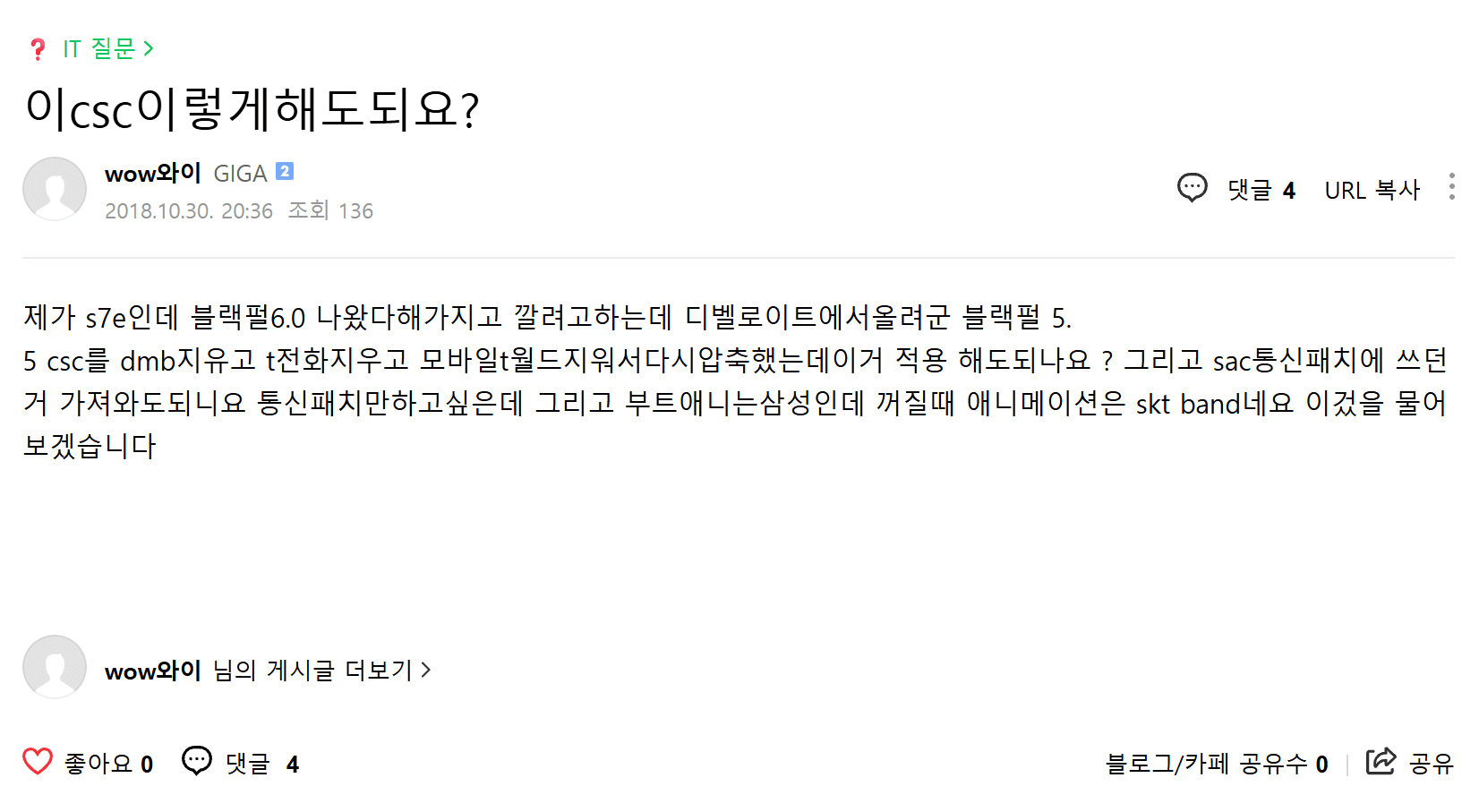
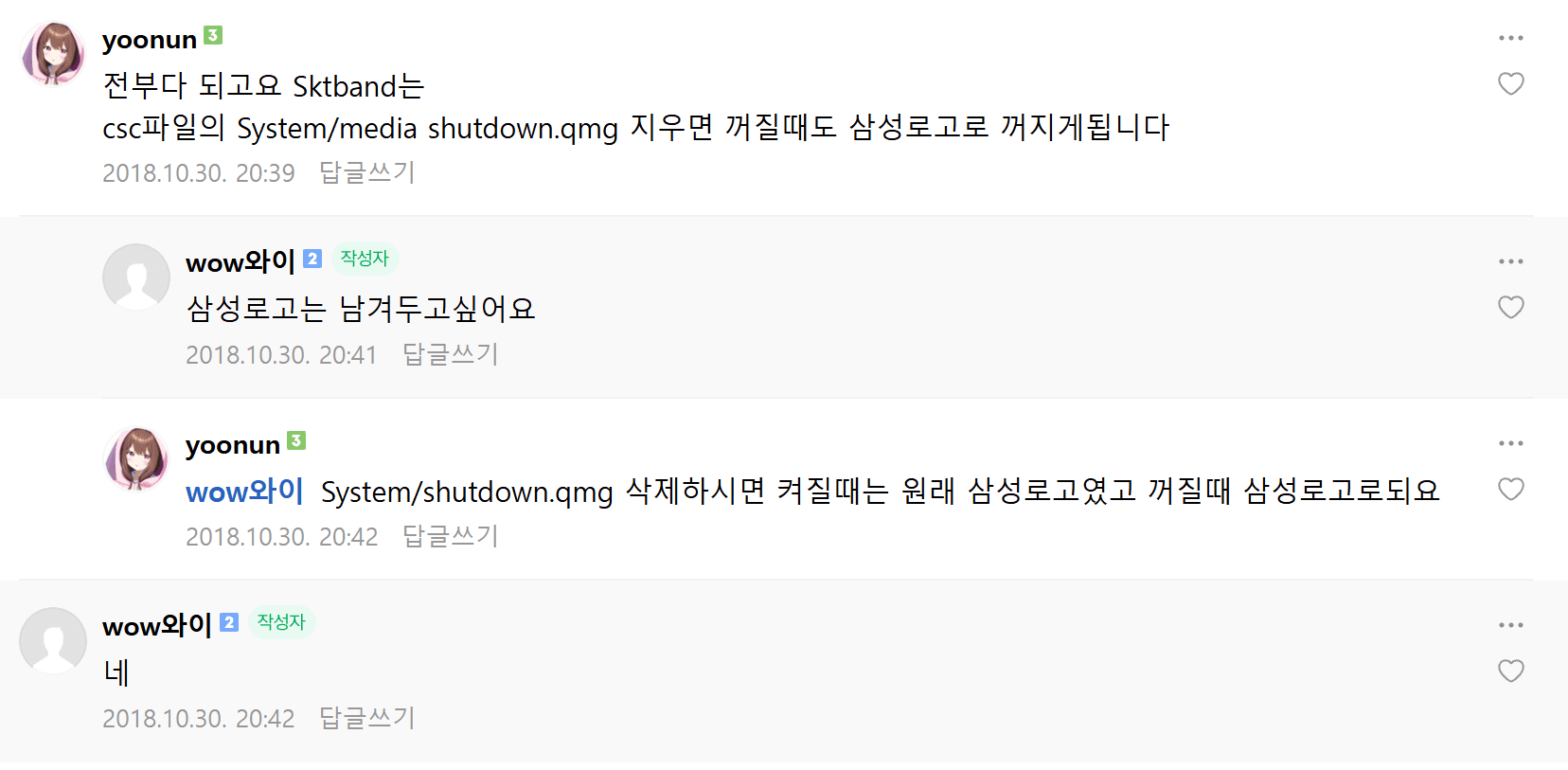
I did not understand the Android architecture properly. I was simply curious. I wanted to change the device myself instead of using it only as it was given to me.
I searched, followed instructions, and searched again when something failed.
Around 2018, I wanted to play PUBG so badly that I bought a used i5-4690 and GTX 1050 Ti. I asked a bank employee how to make a transfer, bought the parts on Bungaejangter, and assembled them myself. I did not know everything. I asked, watched YouTube, checked whether the parts matched, and looked again when something failed.
That was probably when the habit began.
I did not start because I knew what to do. I gradually became comfortable with not stopping while I was still learning.
At First, I Wanted to Make a Game
My first interest in software was not grand either.
I wanted to make an open-world sim-racing game set in Korea. I bought a C++ book and installed Unreal Engine. It did not go well. Game development was much harder than I expected and too large for me at the time.
So I moved to the web.
I followed HTML, CSS, and JavaScript tutorials on YouTube. I watched channels such as Nomad Coders and Coding Noona and built clones. I found a free domain, created a GitHub account, and made a personal portfolio site.
The code was weak and the design was rough. Still, seeing a page I built have its own internet address and receive visitors was a powerful feeling.
Hardware needs parts, money, and physical limits. Software can be copied, deployed, and used by other people once it is built. That possibility attracted me.
Meeting ChatGPT for the First Time
I first tried ChatGPT around January 2023, before entering my second year of high school.
I asked about a web-development roadmap: what to learn after HTML, how to study JavaScript, and which order to follow to build a website.
By today's standards, ChatGPT 3.5 was unstable and often wrong. It was still a shock.
Before that, I had to search through results one by one. Now I could describe what I did not know in words and have a tool think alongside me.
The important part was not getting an answer immediately. It was being able to move from uncertainty to the next question.
That was when I first felt that AI could expand an individual's ability to make things.
Turning Nearby Friction into Tools
Around my second year of high school, when Claude 3 Opus came out, I began vibe coding seriously.
It was not systematic like it is now. I asked questions in Claude's web interface, copied the result into VS Code, and pasted the error back when something failed. I did not refactor properly, and I often put several features in one file.
Still, I made things that worked.
I built a school community page, a QR attendance system, small web services, and an AI chatbot. Most did not start with a large market analysis.
I built the QR system because a friend had to record attendance by hand every morning. I built Sungblab AI because friends seemed unable to use tools such as ChatGPT and Claude comfortably, so I wanted to put several models in one place. I built a League of Legends 5v5 scrim team picker because making teams while playing with friends was annoying.
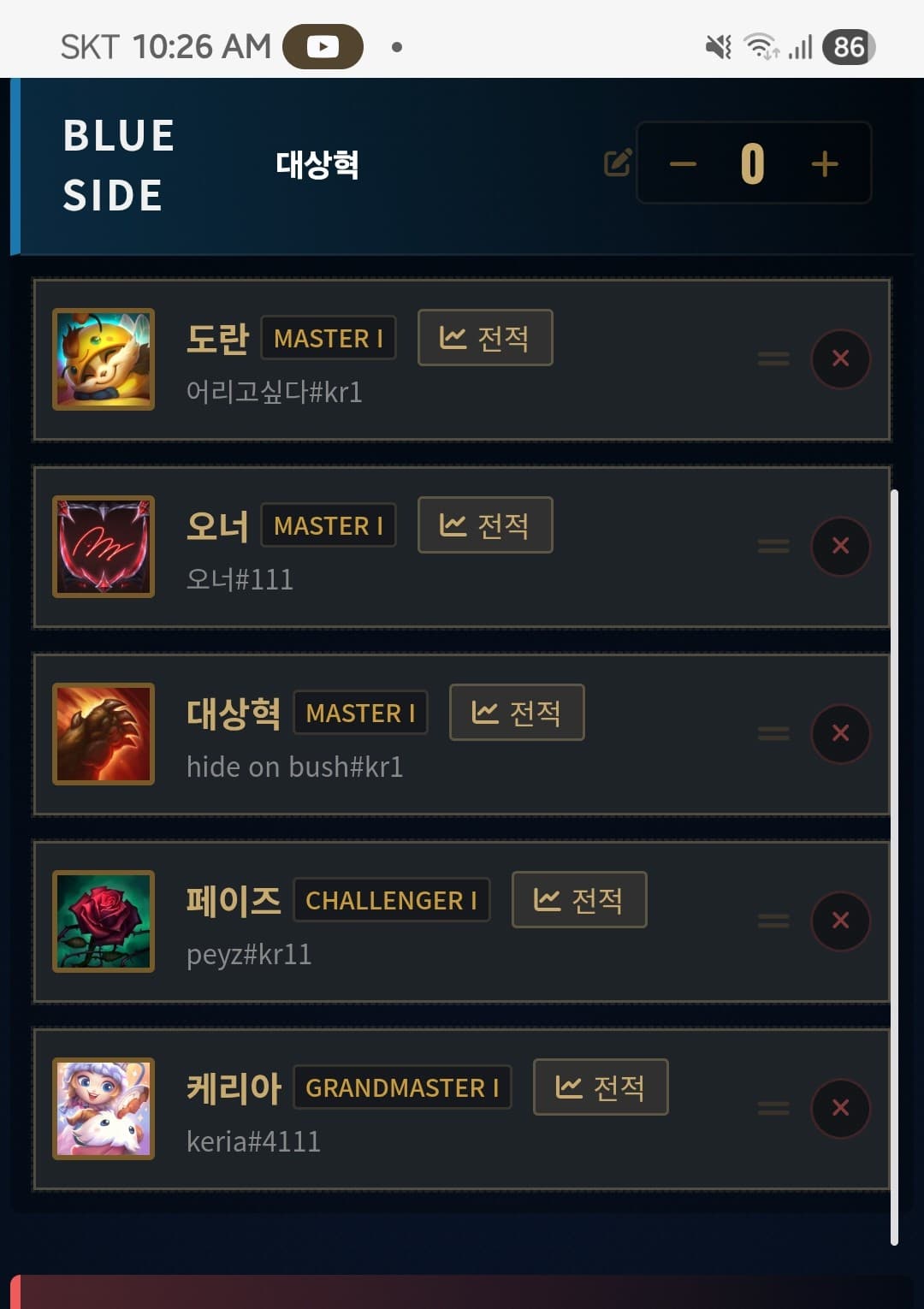
Looking back, most of my projects started with friction I had seen nearby.
I built something when a friend was inconvenienced. I built something when I was annoyed. When people around me did not know how to do something, I tried turning it into a tool.
I was not a perfect developer or a great entrepreneur. I simply asked when I did not know, built when I saw a problem, and fixed things again when they failed.
What You Can Do After “I Don't Know How”
That is why I sometimes feel a little sad when I hear “I don't know how to do that.” Of course, people can genuinely not know. I do not know most things either.
But today, there is an action available immediately after “I don't know.”
Ask, “Then what should I ask first?”
If you want to build a website and know nothing, ask:
I want to build a website but I know nothing.
Tell me what I should learn first, step by step.
If the explanation is difficult, ask again:
That explanation is difficult.
Explain the roles of HTML, CSS, and JavaScript with an analogy.
If it still feels overwhelming, make it smaller:
Create the smallest web-page example I can follow today.
The same applies outside development. If you have a business idea but do not know where to start, ask what you need to learn to test whether people actually have that problem. If investing feels overwhelming, ask what order a beginner should use to understand an income statement.
AI will not solve everything. But the environment to ask the first question is open to more people now.
Questions Are Not Just Prompt Engineering
People talk about prompt engineering a lot. I do not think questioning ability is simply the ability to make a prompt look nice.
It is closer to the ability to break a problem into pieces.
It means separating what I know from what I do not know, organizing a situation into a unit an AI can answer, and verifying the result instead of trusting it automatically.
A beginner might ask:
Build a login feature.
With more experience, the question changes:
I want to build login with Supabase Auth in Next.js.
I need email login, session persistence, and protected routes.
What structure would work well?
Later, the constraints become part of the question:
Next.js server and client components are mixed.
I want to keep the session during SSR and handle protected routes.
What structure avoids a hydration mismatch?
The quality of a question eventually comes from the quality of understanding.
That does not make fundamentals less important in the AI era. It makes them more important. Good questions come from knowledge.
The More I Vibe-Coded, the More I Needed Fundamentals
At first, it can feel as if AI means you need to study development less. Simple CRUD, login, UI, API connections, and deployments can indeed be built quickly with AI.
I built many things that way.
But once a project passes a certain size, a wall appears.
The folder structure becomes tangled. The database design becomes strange. Authentication and authorization become unclear. State management breaks. Types fail. The AI builds the same feature in another way. Eventually I cannot remember why I designed it that way.
That is when the lesson becomes clear:
Even if AI writes the code, design does not disappear.
It becomes more important.
I need to understand SSR and CSR to ask good questions in Next.js. I need database relationships to specify a schema. I need authentication architecture to fix permission problems. I need networks and deployment to solve issues that work locally but fail on the server. I need tests to check whether AI-generated code is actually correct.
Vibe coding does not eliminate development study. It changes the order in which development is learned.
In the past, someone might learn syntax, then data structures, then a framework, and finally build a project. Now it is common to build a project first, get stuck, ask questions, and feel the need for computer science and software engineering through the work itself.
That happened to me. I started by asking Claude for code and pasting errors. As projects grew, I began thinking about repository structure, documentation, tests, verification, and handoff.
AI did not do everything for me. Managing what AI produced made a better structure necessary.
Not Knowing Is Not the Problem
Almost nobody knows everything from the start. I certainly do not, and using AI makes me notice how much I do not know more often, not less. What matters is not stopping while you are uncertain.
Ask when you do not know. Verify when the answer looks strange. Break it down further when you cannot follow it. If you do not know what you do not know, ask that first. Once you have an answer, run it small, and ask again when it gets stuck.
I think people who repeat that loop learn faster. Questions alone do not settle anything, of course — after the question comes doing it, then seeing it fail, then fixing it.
AI makes starting easy; getting to the end is still on the person. In front of the same input box, one person stops at not knowing how and another starts by working out what to ask. I think that gap widens from here.
The problem is not not knowing. It is stopping there. The ability I think matters most right now is turning what you do not know into a question.